
Maintenance
Part of Corporation formation: roles and liability basics
Corporation formation: what shares, the board, officers and the record are for
Corporation formation explained through its machinery: shareholders, directors, officers, shares, bylaws and the written record, with tax left to an accountant.
A corporation is the only common business form that comes with machinery attached. Shares, a board, officers, and a written record of decisions are not optional extras you add if you want to be formal. They are what a corporation is, and running one means running them.
That is the whole of the difference people find surprising. Everything else follows from it: why corporations suit outside investment, why they cost more to keep, and why an abandoned one causes more trouble than an abandoned anything else.
What to take away
- To form a corporation, file articles of incorporation with one state, adopt bylaws, appoint directors and officers, issue shares and record them in the register, and keep minutes from the first meeting.
- A corporation separates ownership from management by design. Shareholders own, directors decide, officers act. One person can hold all three roles and still has to keep them distinct on paper.
- The recurring work is governance, not filings. Minutes, resolutions and a share register are the maintenance, and they are what a dispute or a buyer will ask to see.
- Tax classification is a separate question from legal form, decided with an accountant against the IRS's own current criteria.
- If nobody in the business will keep the record, the machinery is a liability rather than a protection.
The three roles
| Role | What it holds | What it does |
|---|---|---|
| Shareholders | Ownership, in shares | Elect directors, vote on the things reserved to them |
| Directors | Authority over direction | Decide major matters, appoint officers, record decisions |
| Officers | Day to day authority | Sign, hire, spend, within what the board has authorized |
In a one-person corporation the same person fills all three. The roles still exist, and the reason to keep them apart is evidentiary: when someone later asks who authorized a decision, the answer has to be a role, with a record, not a person's memory.
Shares, and why they are not percentages
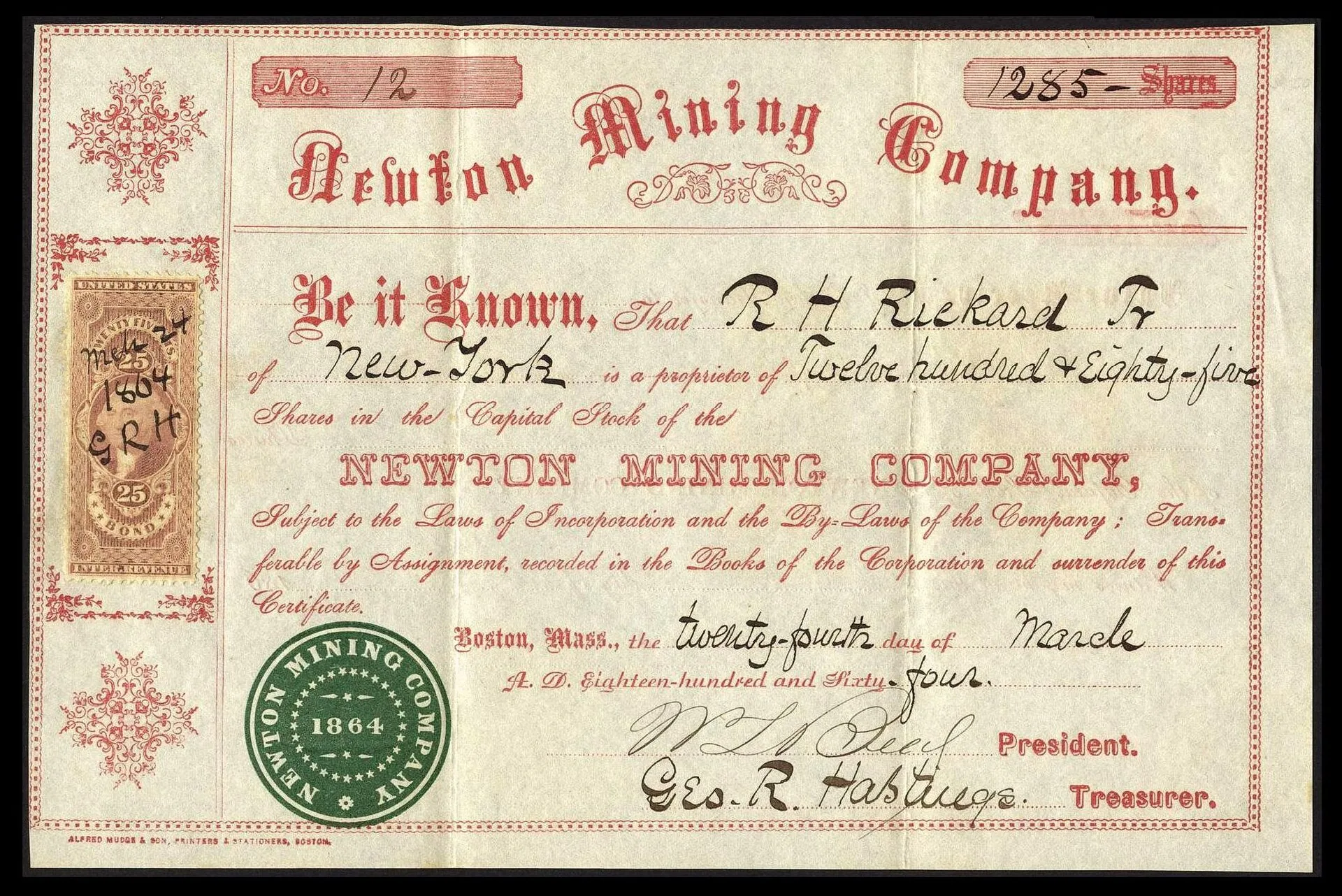
Ownership in a corporation is expressed in shares, and shares behave differently from a percentage written in an agreement. There is a number authorized in the filing, a number actually issued, and a register recording who holds them. Those three drift apart quickly if nobody maintains them.
A share register that does not reconcile, and a promise of equity made in an email but never issued, both surface later, usually in a sale or an investment. Get the mechanics right the first time you hand out ownership, not the fifth.
The record is the product
Directors decide by resolution, and a resolution is only useful if it was written down at the time. What goes in the record: who was present, what was decided, what authority the decision rested on, and any conflict declared.
A claimant argues the corporation and owner were never truly separate, but the record answers each case. A record written afterwards is worth far less than one written on the day.
The general shape of the recurring obligations a registered business picks up is described by the SBA under staying legally compliant. That page covers annual filings, licences and the records a business is expected to keep.
What the state decides and what you decide
The state's filing office decides whether the name is available, what the formation document must contain, what the recurring report is, and what becomes public. Those are record questions and its answer is the only one that counts.
You decide, with advisers, everything about how the corporation is governed: the classes of share, what is reserved to shareholders, how directors are appointed and removed, what happens when a shareholder wants out. Most of that lives in bylaws and a shareholders' agreement rather than in the public filing.
The starting point for choosing between this and the alternatives is set out in the comparison of structures, and the mechanics of dealing with the office itself are in filing with the state.
That comparison sets sole proprietorship, partnership, LLC and corporation side by side. The filing pages cover name reservation, the formation document and the recurring report, and each state publishes its current fee schedule on the same site.
Tax is a separate decision
The legal form is created by a state. How the corporation is treated for federal tax depends on its classification and any election it makes, and the criteria for those are the IRS's. Its own description of the S corporation election is where the current conditions are stated, and its general corporations section covers the rest.
Do not reason from a comparison table you found. The election has eligibility conditions, timing conditions, and consequences that depend on how you pay yourself. That is an accountant's question with your numbers in front of them, and it is worth asking before the first share is issued rather than after.
Before you file
Six things to settle, in this order, because each one constrains the next.
- Choose the state where you will file. Your home state is the default, and another state is a decision to take on advice.
- Check that the name is available in that state's business registry, and reserve it if the state allows reservations.
- Fix the share structurehow many shares are authorized, what classes exist, and who receives what at issue.
- Name the directors and officers, and settle who signs for the corporation and who can bind it.
- Appoint a registered agent with a physical address in that state, and file the agent's consent if the state requires one.
- Decide who keeps the record, and where the minute book, the share register and the signed resolutions will be held.
Six things to settle before filing
- Owners and proportions, in shares
- Board members and approvals
- Officers and signing authority
- Shareholder exit, death, sale
- Where it operates and registers
- Who keeps the record, by name
Item six decides whether the rest survives year two. The role of the person who receives legal papers on the corporation's behalf is a related appointment, covered in the agent of record, and the events that later require the filing to be updated are in changes after formation.
With those settled, the filing sequence is short.
- Check the name against the state's business registry.
- File the articles of incorporation with the state filing office and pay its published fee, typically 50 to 500 US dollars depending on the state.
- Apply for an EIN with the IRS on Form SS-4. The IRS charges nothing for the number.
- Adopt bylaws and hold the first board meeting, and record both.
- Issue the shares and enter the holders in the register.
- Register with the state tax and licensing agencies that apply to your activity.
Common questions
Can one person form a corporation?
In most states, yes, holding all three roles. The record keeping does not get lighter for being a formality, and in some ways it matters more, because there is nobody else to corroborate what was decided.
Do I need bylaws if the state does not ask for them?
The state usually does not file them, which is not the same as not needing them. Bylaws are what answer procedural questions when there is a disagreement, and writing them during the disagreement is not writing them.
Is a corporation stronger protection than the alternatives?
The separation is a feature of several forms. What varies is the machinery, and machinery only helps if it is maintained. An unmaintained corporation offers a false sense of protection.
What does it cost to run?
That depends on your state's recurring report, your accountant's fees for whatever classification applies, and whether you run payroll. All of those are questions of record or of quotation, and any figure quoted on a general page would be wrong for somebody.
The one-time state filing fee is set by each state and published on its filing office fee schedule, typically between 50 and 500 US dollars. A commercial registered agent service typically costs 100 to 300 US dollars a year.
When is it clearly the right form?
When outside investors are involved and want a familiar instrument, or when there are many owners and the decision rights need formal structure. Whether it is right for your business is still a question for a lawyer and an accountant who know your facts.